Connect With Us
Blog
Items filtered by date: February 2026
Tuesday, 24 February 2026 00:00
The Pain of Morton’s Neuroma
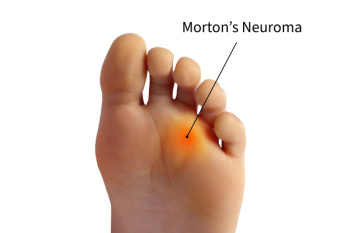
Morton’s neuroma is a painful condition involving irritation and thickening of a nerve in the foot, most often between the third and fourth toes. It is commonly caused by repetitive pressure from tight shoes, high heels, foot structure, or activities that place stress on the forefoot like running or jumping. Symptoms include burning pain, tingling, numbness, or the sensation of standing on a pebble. The foot may look normal from the outside, but it can feel quite painful, especially when walking or wearing narrow shoes. A podiatrist can help by beginning with a detailed history and physical examination, often supported by imaging to confirm the diagnosis. Treatment may progress to footwear changes, custom orthotics, anti-inflammatory care, and injection therapy when appropriate. Early treatment can reduce nerve irritation and prevent worsening symptoms. If you have Morton’s neuroma, it is suggested that you schedule an appointment with a podiatrist for appropriate treatment.
Morton’s neuroma is a very uncomfortable condition to live with. If you think you have Morton’s neuroma, contact Dr. Nicholas Przystawski of Central Florida Foot Care, PA. Our doctor will attend to all of your foot care needs and answer any of your related questions.
Morton’s Neuroma
Morton's neuroma is a painful foot condition that commonly affects the areas between the second and third or third and fourth toe, although other areas of the foot are also susceptible. Morton’s neuroma is caused by an inflamed nerve in the foot that is being squeezed and aggravated by surrounding bones.
What Increases the Chances of Having Morton’s Neuroma?
- Ill-fitting high heels or shoes that add pressure to the toe or foot
- Jogging, running or any sport that involves constant impact to the foot
- Flat feet, bunions, and any other foot deformities
Morton’s neuroma is a very treatable condition. Orthotics and shoe inserts can often be used to alleviate the pain on the forefront of the feet. In more severe cases, corticosteroids can also be prescribed. In order to figure out the best treatment for your neuroma, it’s recommended to seek the care of a podiatrist who can diagnose your condition and provide different treatment options.
If you have any questions, please feel free to contact our office located in Leesburg, FL . We offer the newest diagnostic and treatment technologies for all your foot care needs.
Tuesday, 17 February 2026 00:00
When Poor Circulation Affects the Feet
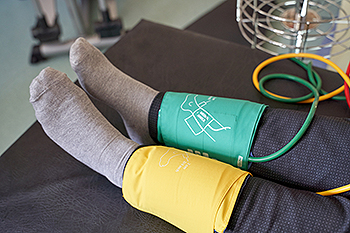
Peripheral artery disease, or PAD, is a circulation condition in which narrowed arteries reduce blood flow to the legs and feet. It is most often caused by plaque buildup related to aging, smoking, diabetes, or high cholesterol. Symptoms include cramping pain with walking, numbness, slow-healing sores, or changes in skin color. The feet may look pale and they can feel weak or painful during activity. A podiatrist can help by starting with a careful examination of pulses, skin condition, and walking tolerance, along with noninvasive testing to evaluate blood flow. Early diagnosis is important to prevent further complications. Treatment may involve foot protection, wound care, footwear guidance, and targeted exercises to encourage circulation and maintain mobility. Ongoing podiatric care supports foot health and helps reduce the risk of infection or tissue damage. If you have peripheral artery disease, it is suggested that you make an appointment with a podiatrist.
Peripheral artery disease can pose a serious risk to your health. It can increase the risk of stroke and heart attack. If you have symptoms of peripheral artery disease, consult with Dr. Nicholas Przystawski from Central Florida Foot Care, PA. Our doctor will assess your condition and provide you with quality foot and ankle treatment.
Peripheral artery disease (PAD) is when arteries are constricted due to plaque (fatty deposits) build-up. This results in less blood flow to the legs and other extremities. The main cause of PAD is atherosclerosis, in which plaque builds up in the arteries.
Symptoms
Symptoms of PAD include:
- Claudication (leg pain from walking)
- Numbness in legs
- Decrease in growth of leg hair and toenails
- Paleness of the skin
- Erectile dysfunction
- Sores and wounds on legs and feet that won’t heal
- Coldness in one leg
It is important to note that a majority of individuals never show any symptoms of PAD.
Diagnosis
While PAD occurs in the legs and arteries, Podiatrists can diagnose PAD. Podiatrists utilize a test called an ankle-brachial index (ABI). An ABI test compares blood pressure in your arm to you ankle to see if any abnormality occurs. Ultrasound and imaging devices may also be used.
Treatment
Fortunately, lifestyle changes such as maintaining a healthy diet, exercising, managing cholesterol and blood sugar levels, and quitting smoking, can all treat PAD. Medications that prevent clots from occurring can be prescribed. Finally, in some cases, surgery may be recommended.
If you have any questions, please feel free to contact our office located in Leesburg, FL . We offer the newest diagnostic and treatment technologies for all your foot care needs.
Tuesday, 10 February 2026 00:00
Dealing With Diabetic Foot Blisters
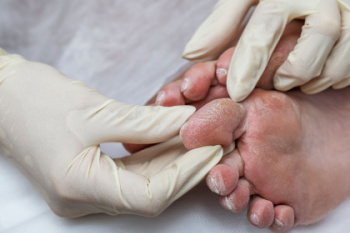
People with diabetes face a higher risk of foot blisters because nerve changes can reduce sensation, and skin may become fragile. Friction and pressure from footwear can continue without pain as a warning sign, allowing a blister to worsen quickly. Blisters often form on the toes, heels, or the ball of the foot, and can break down into open wounds that are slow to heal. When skin is compromised, the risk of infection and ulcer formation increases. A podiatrist can assess circulation, skin quality, and pressure points to determine whether infection or deeper tissue damage is present. Care options include safe and sterile blister management, protection of surrounding skin, and strategies to reduce repeated pressure. Regular monitoring helps protect diabetic feet and lowers the risk of serious complications. If you suffer from diabetic foot blisters, it is suggested that you make an appointment with a podiatrist for ongoing treatment.
Blisters are prone to making everyday activities extremely uncomfortable. If your feet are hurting, contact Dr. Nicholas Przystawski of Central Florida Foot Care, PA. Our doctor can provide the care you need to keep you pain-free and on your feet.
Foot Blisters
Foot blisters develop as a result of constantly wearing tight or ill-fitting footwear. This happens due to the constant rubbing from the shoe, which can often lead to pain.
What Are Foot Blisters?
A foot blister is a small fluid-filled pocket that forms on the upper-most layer of the skin. Blisters are filled with clear fluid and can lead to blood drainage or pus if the area becomes infected.
How Do Blisters Form?
Blisters on the feet are often the result of constant friction of skin and material, usually by shoe rubbing. Walking in sandals, boots, or shoes that don’t fit properly for long periods of time can result in a blister. Having consistent foot moisture and humidity can easily lead to blister formation.
Prevention & Treatment
It is important to properly care for the affected area in order to prevent infection and ease the pain. Do not lance the blister and use a Band-Aid to provide pain relief. Also, be sure to keep your feet dry and wear proper fitting shoes. If you see blood or pus in a blister, seek assistance from a podiatrist.
If you have any questions, please feel free to contact our office located in Leesburg, FL . We offer the newest diagnostic and treatment technologies for all your foot care needs.
Wednesday, 04 February 2026 00:00
Arthritis Can Cause Pain in the Feet and Ankles

If you are suffering from tenderness, pain, or stiffness in the joints of your feet or ankles, call us to schedule an appointment.
Tuesday, 03 February 2026 00:00
Stepping Through the Ache

Ankle pain can quietly interfere with daily life, whether it starts as swelling after a long walk or stiffness that greets you first thing in the morning. The ankle may appear puffy, warm, or mildly red, and it can feel sore, tight, or unstable when standing or moving. Common causes include overuse, sprains, arthritis-related joint inflammation, or footwear that does not properly support the ankle. A podiatrist begins with a thorough medical history and physical examination and may use imaging studies to confirm the diagnosis and rule out fractures, arthritis changes, or tendon injuries. Treatment is individualized and may include strengthening exercises, supportive braces or custom orthotics, and anti-inflammatory approaches to reduce pain and swelling. With appropriate care, many people regain comfort and confidence in their steps. Addressing ankle pain early can help prevent chronic problems and preserve mobility. If you are experiencing ankle pain, scheduling an appointment with a podiatrist is suggested for personalized care and long-term relief.
Ankle pain can have many different causes and the pain may potentially be serious. If you have ankle pain, consult with Dr. Nicholas Przystawski from Central Florida Foot Care, PA. Our doctor will assess your condition and provide you with quality foot and ankle treatment.
Ankle pain is any condition that causes pain in the ankle. Due to the fact that the ankle consists of tendons, muscles, bones, and ligaments, ankle pain can come from a number of different conditions.
Causes
The most common causes of ankle pain include:
- Types of arthritis (rheumatoid, osteoarthritis, and gout)
- Ankle sprains
- Broken ankles
- Achilles tendinitis
- Achilles tendon rupture
- Stress fractures
- Tarsal tunnel syndrome
- Plantar fasciitis
Symptoms
Symptoms of ankle injury vary based upon the condition. Pain may include general pain and discomfort, swelling, aching, redness, bruising, burning or stabbing sensations, and/or loss of sensation.
Diagnosis
Due to the wide variety of potential causes of ankle pain, podiatrists will utilize a number of different methods to properly diagnose ankle pain. This can include asking for personal and family medical histories and of any recent injuries. Further diagnosis may include sensation tests, a physical examination, and potentially x-rays or other imaging tests.
Treatment
Just as the range of causes varies widely, so do treatments. Some more common treatments are rest, ice packs, keeping pressure off the foot, orthotics and braces, medication for inflammation and pain, and surgery.
If you have any questions please feel free to contact our office located in Leesburg, FL . We offer the newest diagnostic tools and technology to treat your foot and ankle needs.
